
By Rosemary Okoduwa
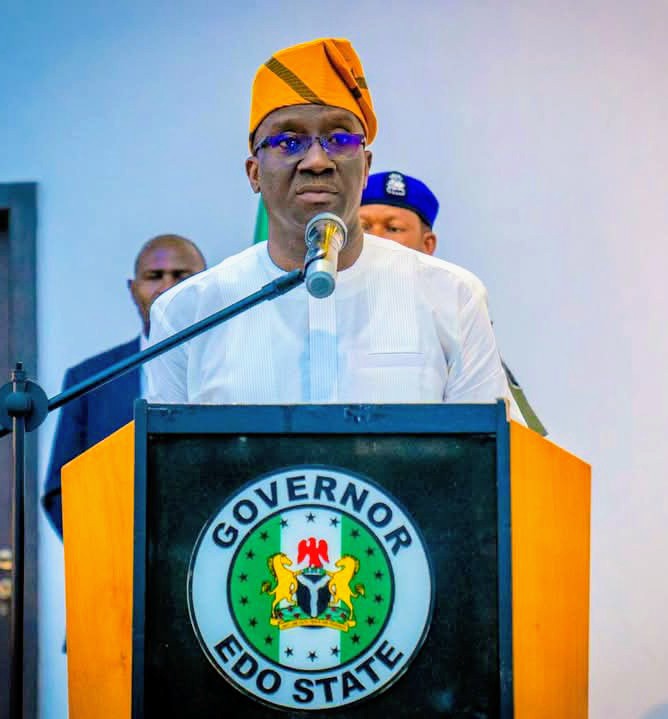
In a groundbreaking move, the Executive Governor of Edo State, Senator Monday Okpebholo, has launched a comprehensive Rural Electrification Programme aimed at bridging the infrastructure gap and empowering rural communities. This ambitious initiative is already yielding remarkable results, with several villages in Edo Central Senatorial District being reconnected to the national grid after decades of darkness.
The programme, spearheaded by the Edo State Electrification Agency (ESEA), is a critical component of Governor Okpebholo’s campaign promises to restore dignity to rural communities, stem rural-urban migration, and stimulate economic development at the grassroots level. The State Government’s mission is to deliver electricity across all strata of the State, including urban, semi-urban, and rural areas, through a blend of national grid access, independent power generation, and renewable energy sources.
At the heart of this transformation lies the Edo State Electricity Law, recently signed by Governor Okpebholo, which deregulates the State’s electricity sector and provides a legal framework for private-sector participation, investment, and localized energy solutions. This law empowers the Edo State Electricity Commission to license, regulate, and attract investments in generation and distribution, marking a significant shift in the State’s approach to energy management.
Negotiations are in advanced stages with several independent power providers, one of which is poised to commence operations within months. These providers will generate and distribute electricity directly within Edo, reducing dependence on the overstretched national grid and ensuring more reliable access for residents.
The electrification initiative is being rolled out rapidly across under-served communities, with local residents playing a crucial role in the process. In some villages, residents have voluntarily cooked for contractors, supported their work, and celebrated the return of electricity as a communal victory. This sense of ownership and collective responsibility is a testament to the programme’s potential to inspire hope and trust in the community.
Governor Okpebholo’s strategy is anchored not only on delivery but also on sustainability. The administration is actively engaging public-private partnerships to ensure the continuity of projects beyond the current government. To protect investments and infrastructure, the government is also intensifying efforts against vandalism, promoting a culture of public ownership, and enforcing laws that will bring offenders to justice.
The administration has also taken a firm stance on metering and billing transparency, mandating that no household will be connected to power without a meter. Through the national Mass Metering Programme and partnerships with local manufacturers, the delivery of meters is now capped at 10 working days post-payment.
This electrification drive is a central pillar in Governor Okpebholo’s broader vision of inclusive growth, where infrastructure serves the people, and development is felt across every ward and community, not just urban centers. As the Edo State Government accelerates this electrification agenda, more communities will be reached, and more lives will be uplifted.
Discover more from DE-PATRIOT
Subscribe to get the latest posts sent to your email.