
By Katherine Abayomi
Energy and environmental experts have called for an intentional and inclusive transition from fossil fuels to clean energy in Nigeria, warning that continued investment in fossil fuels, while the rest of the world moves towards greener alternatives, could worsen environmental degradation, energy poverty and the vulnerability of host communities.
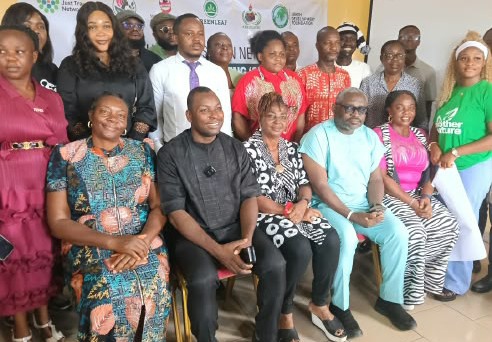
The experts made the call at the 2026 Nigeria Chapter Annual Meeting of the African Just Transition Network, themed “Building a Collective Power for a Just Transition in Nigeria,” where stakeholders emphasised the need for deliberate policies and collective action to ensure that the transition to a green economy does not leave vulnerable communities behind.
Speaking at the meeting, Executive Director of the Global Initiative for Food Security and Ecosystem Preservation (GIFSEP), Dr. Michael Terungwa, highlighted the economic, environmental and social benefits of a just energy transition for Nigeria, particularly Rivers State, the Niger Delta and their local government areas. He stressed that the process must be carefully managed to prevent communities from bearing the consequences of the transition.
Terungwa expressed concern over the activities of oil companies divesting from communities by selling their interests to local companies, often leaving behind pollution and environmental liabilities that continue to affect millions of people, particularly in the Niger Delta. He called for caution and deliberate measures to ensure that affected communities are not abandoned to suffer the consequences of environmental damage.
He also identified the lack of collective action among citizens as a major obstacle to achieving meaningful change, noting that widespread poverty and the daily struggle for basic necessities such as food and shelter have weakened people’s ability to organise and demand environmental justice. He urged Nigerians, particularly as the country approaches another general election, to interrogate political candidates on their policies for just transition, climate resilience, food security and affordable energy.
The GIFSEP Executive Director further called on government to make cooking gas more affordable through appropriate subsidies, implement existing environmental policies across all levels of government and channel more investments into renewable energy. He also challenged state governments to take advantage of the Electricity Act, which empowers them to generate, transmit and distribute electricity, by investing in clean and accessible energy solutions.
In his remarks, Nigerian Coordinator of the African Just Transition Network, Friday Nbani, reaffirmed the network’s commitment to protecting the environment, identifying gas flaring, gas-related pollution and coal mining as critical issues requiring urgent attention. He urged government to prioritise the welfare of communities above profit, stressing the need for a strategic roadmap backed by concrete actions rather than repeated policy pronouncements.
Nbani called for a future in which environmental protection, sanitation, public safety and the well-being of local communities become national priorities, adding that public awareness and sensitisation would be intensified to promote understanding of a just transition that protects livelihoods and supports economic development. Similarly, Co-Lead of the Africa Just Transition Network Nigeria, Dr. Amamie Stella, emphasised the importance of energy affordability and the inclusion of women and community members in the transition process, appealing to government to ensure that no group is excluded from decisions that will shape Nigeria’s energy future.
Discover more from DE-PATRIOT
Subscribe to get the latest posts sent to your email.